
The real story behind F1’s commercial boom
Week 35, 2026
Formula 1’s commercial boom is about more than team sponsorship. The series is becoming a broader business asset, and that shift is changing what power looks like in the sport.
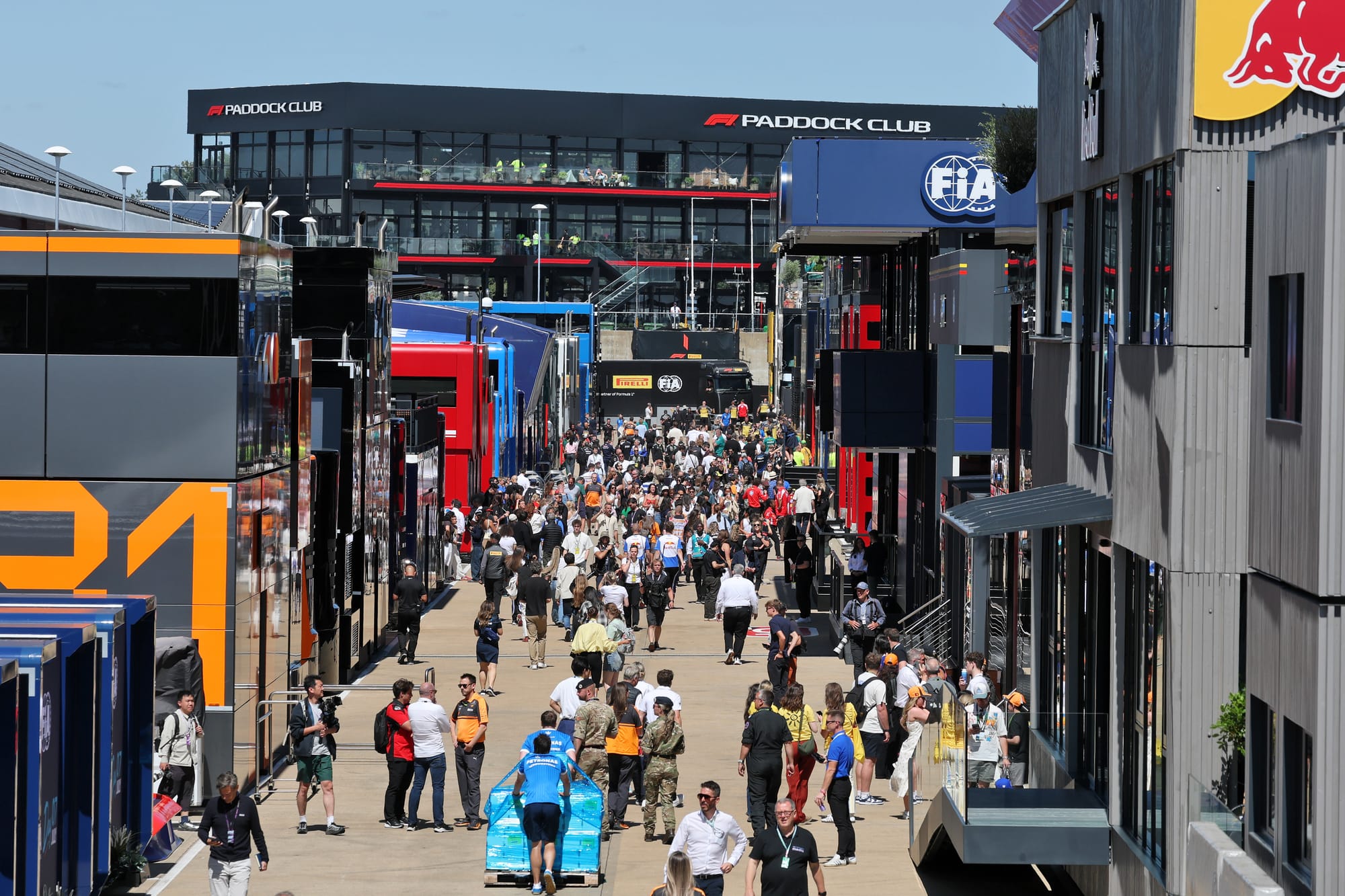
Formula 1’s commercial boom is often described in the simplest possible terms: more sponsors, bigger logos, better revenue. But The Race’s latest business piece argues that this view misses the larger shift. The sport’s growth is not just about teams selling more branding space. It is about Formula 1 becoming a more important player in the wider business world, and that is a meaningfully different kind of success.
That distinction matters because sponsorship is only one part of the ecosystem. A team can build an impressive sponsor portfolio and still be operating inside a familiar motorsport model, where the main commercial logic is selling exposure around the car, the driver, and the race weekend. What this report points to is something broader: a change in how Formula 1 is perceived by companies, investors, and commercial partners. The series is increasingly being treated not just as a premium advertising platform attached to a racing championship, but as a global media and business asset in its own right.
That shift changes the stakes for everyone involved in the sport. When the commercial story extends beyond team sponsorship, the conversation is no longer just about how many brands are on the side of a car. It becomes about the wider value of the championship itself: its audience, its reach, its brand strength, and its ability to sit inside modern entertainment and business strategy. The Race’s argument is that this broader positioning is a major part of why F1’s commercial boom deserves attention, because it suggests the sport’s value is being built on more than one revenue stream.
In practical terms, that matters because sponsorship is a relatively narrow way to measure growth. It can rise and fall with team performance, driver popularity, and the appetite of individual companies. A broader commercial model is more resilient. It can draw value from the championship’s overall popularity, from media attention, from the way the brand is packaged and presented, and from the fact that F1 now occupies a more prominent place in the wider business conversation. That does not replace sponsorship, but it reduces the risk of relying on sponsorship alone as the explanation for the sport’s expanding power.
Subscribe to continue reading the full story.
Unlock access